Northwestern Polytechnical University (NPU) has made a significant breakthrough in brain-computer interface (BCI) technology, developing a 3D conical carbon-based flexible cortical electrode array. This innovation addresses critical challenges such as brain tissue damage, signal attenuation, and poor biocompatibility, paving the way for clinical and aerospace applications.
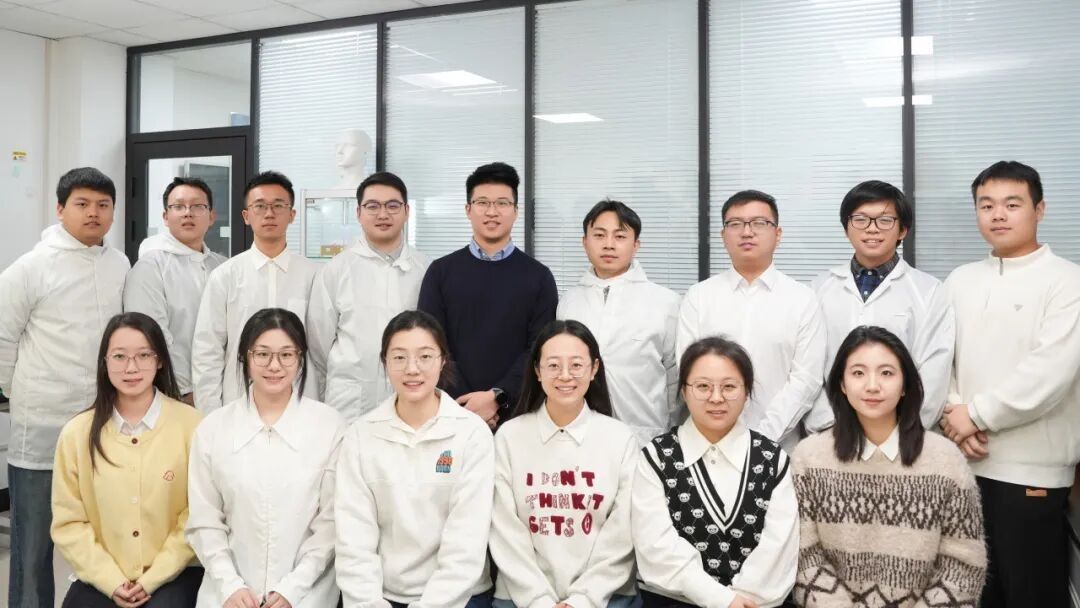
Led by researchers Chang Honglong and Ji Bowen, the NPU team has tested this technology in space, marking the first international verification of BCI in such an environment. This advancement highlights China's leading position in micro-electromechanical systems (MEMS).
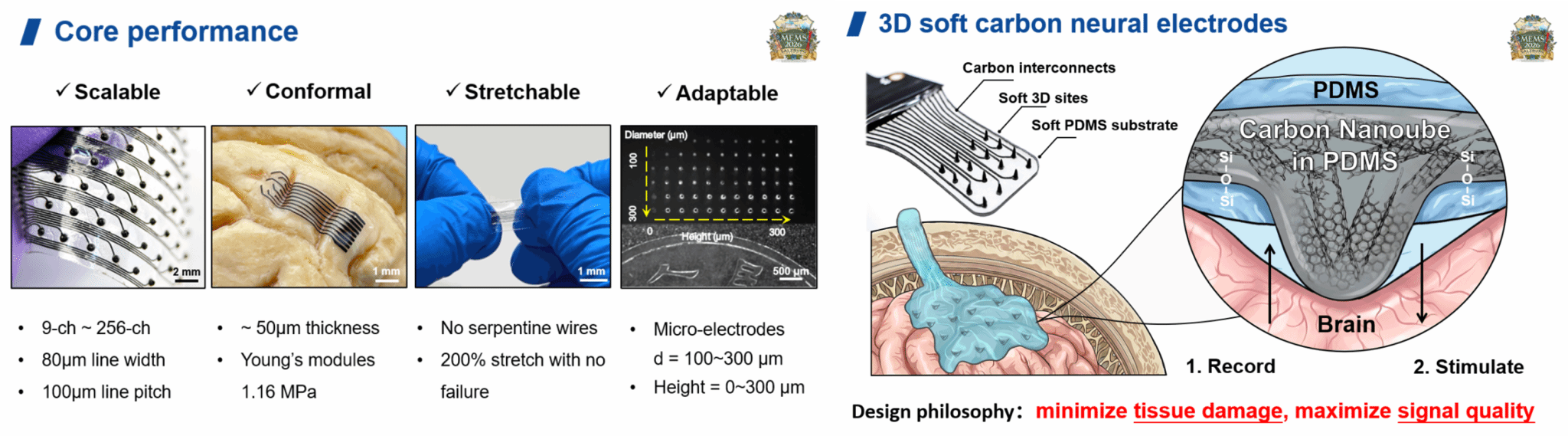
The implantable BCI, a cutting-edge technology combining micro-nano manufacturing, microelectronics, AI, and neuroscience, serves as an information "highway" linking the brain's neural networks with external devices. It holds strategic value in neurorehabilitation, human-machine interaction, and aerospace medicine. Traditional metal electrodes have struggled to adapt to the brain's soft and complex structures, often causing inflammation and signal distortion. NPU's innovative electrode array, featuring a "soft base and soft needle" design, achieves high-fidelity brain signal acquisition with zero damage, surpassing traditional metal electrodes by hundreds of times in signal precision and stability.
In December 2025, these flexible electrodes were tested aboard the "Dier-5 China Science City" spacecraft. They successfully collected brain signals in a simulated fluid environment, providing critical data on noise levels and operational stability in space. This technology will help understand the effects of microgravity and space radiation on astronauts' brain activity, supporting China's manned space missions.
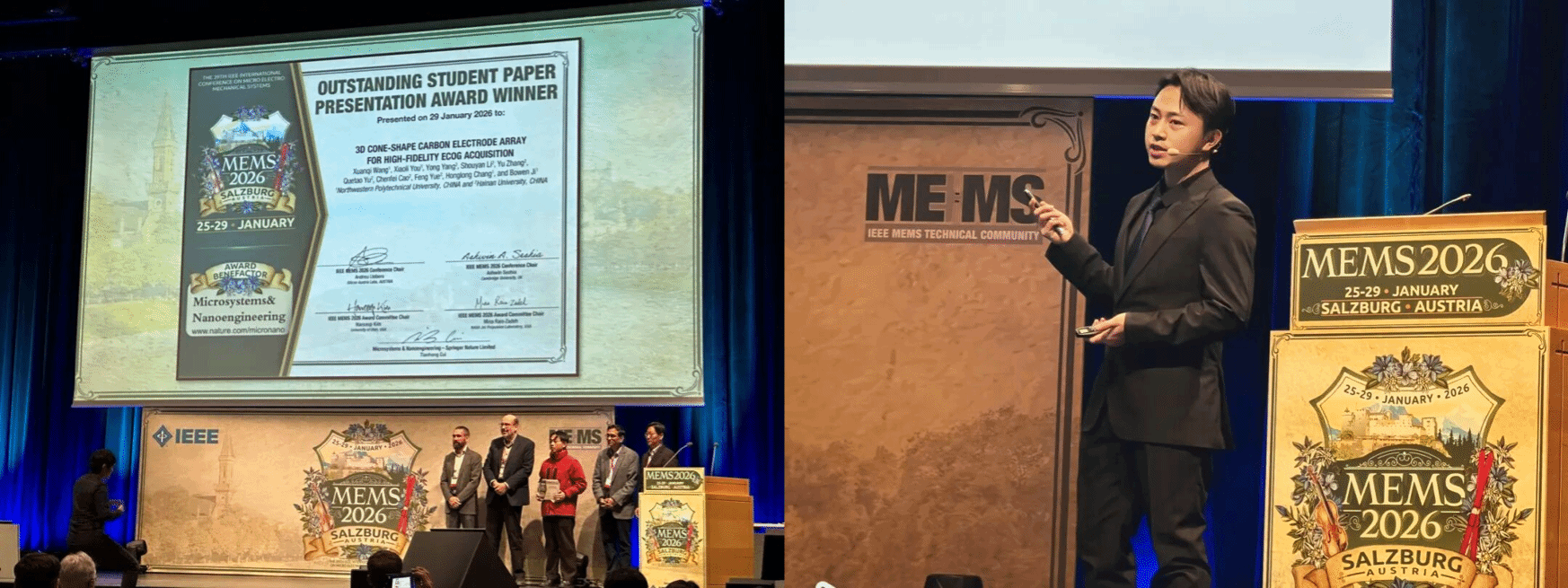
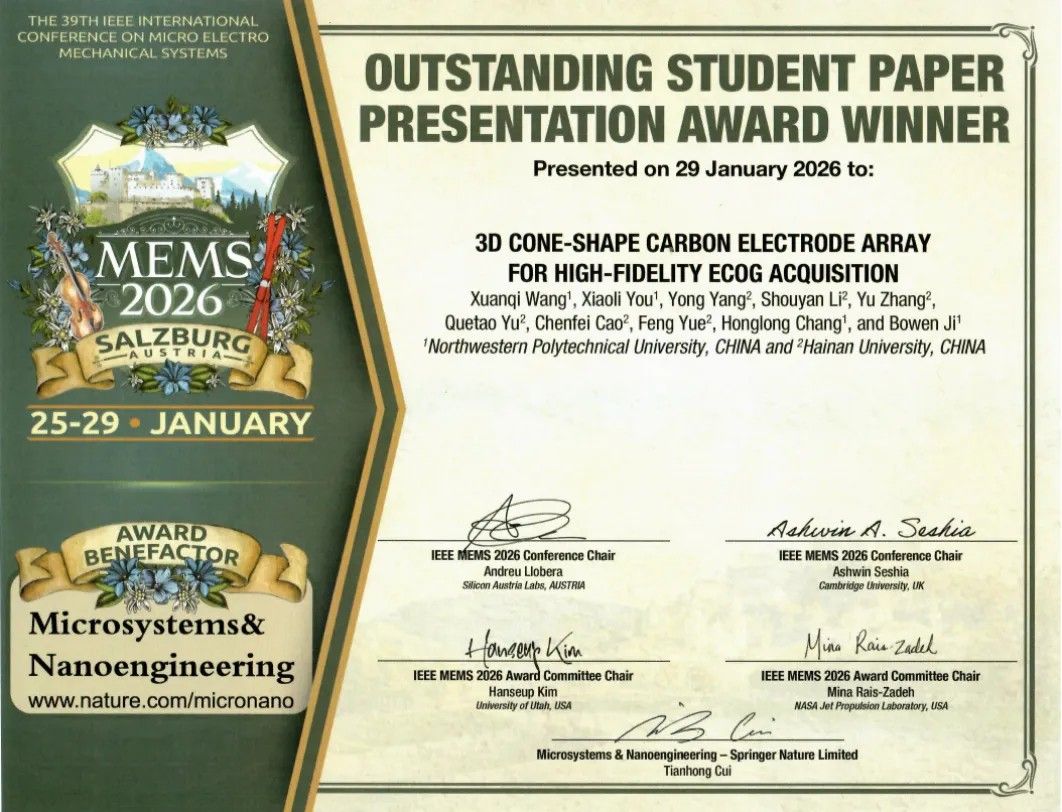
NPU's dedication to MEMS research has led to numerous achievements in BCI, flexible sensors, and aerospace microsystems. The team's work was recognized at the 39th IEEE MEMS 2026 conference in Salzburg, where PhD student Wang Xuanqi won the Best Student Paper Award.
Looking ahead, NPU aims to advance the miniaturization, integration, and intelligence of BCI devices, contributing to national strategic needs and global scientific leadership.
(Source: ChinaDaily)
