On 30 April, the final on-site thematic teaching session was held at the Qinling Four Rare Animals Science Park, marking the successful conclusion of the “Contemporary China” series, part of the 2026 spring semester China studies curriculum for international students at NPU. Throughout the semester, more than 60 international students from around the world deepened their understanding of contemporary China through lectures and seminars, intercultural exchange activities, field visits and practical learning experiences. The programme enabled students to gain insights into China’s approaches and achievements in national governance, public wellbeing, education and scientific research, while broadening their horizons through communication and interaction.
Diverse Lecture Series
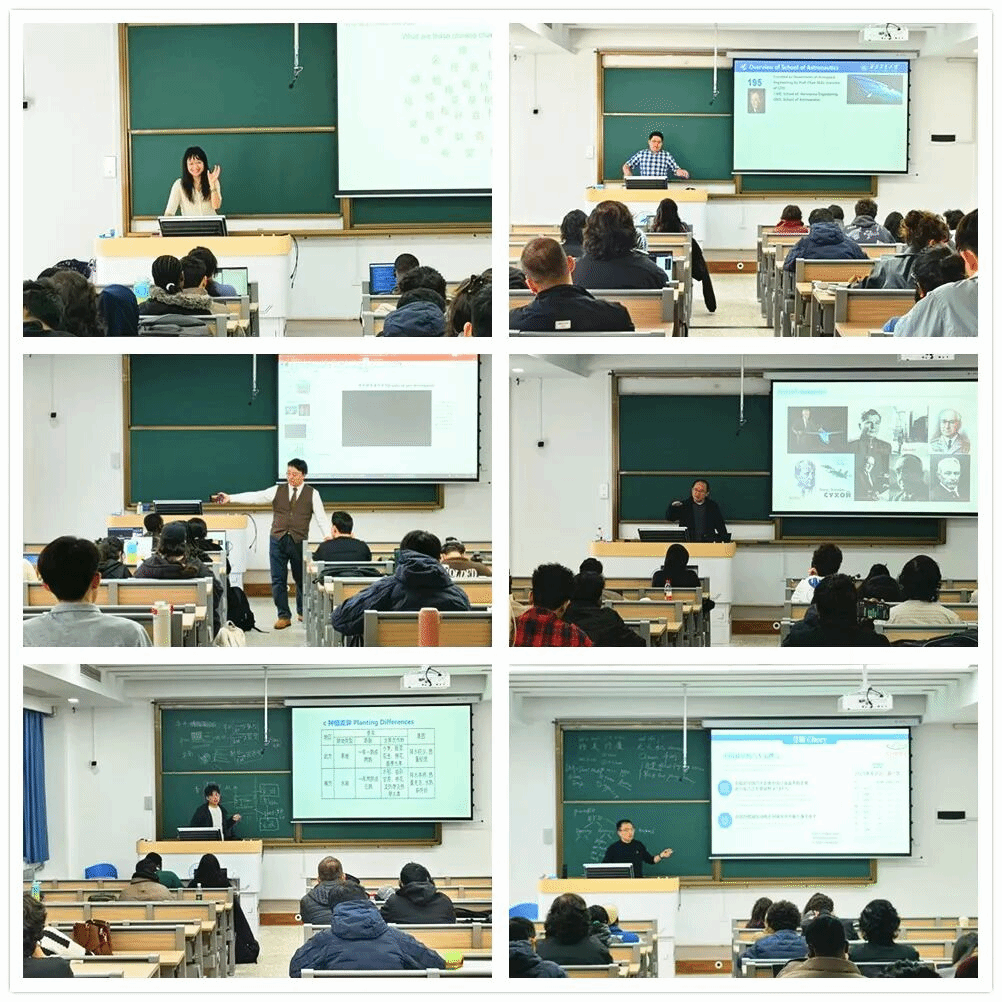
The “Contemporary China” course this semester focused closely on key themes related to China’s development. Experienced faculty members from the School of Marxism, the School of Aeronautics, the School of Astronautics and the International College were invited to deliver six themed lectures covering topics such as economic development and public wellbeing, green ecology, the concept of a global community with a shared future for mankind, and NPU’s stories of scientific and technological innovation. Through diverse perspectives and engaging presentations, the lectures introduced students to the many facets of contemporary China and offered vivid accounts of the country’s development.
Learning Together as Classmates
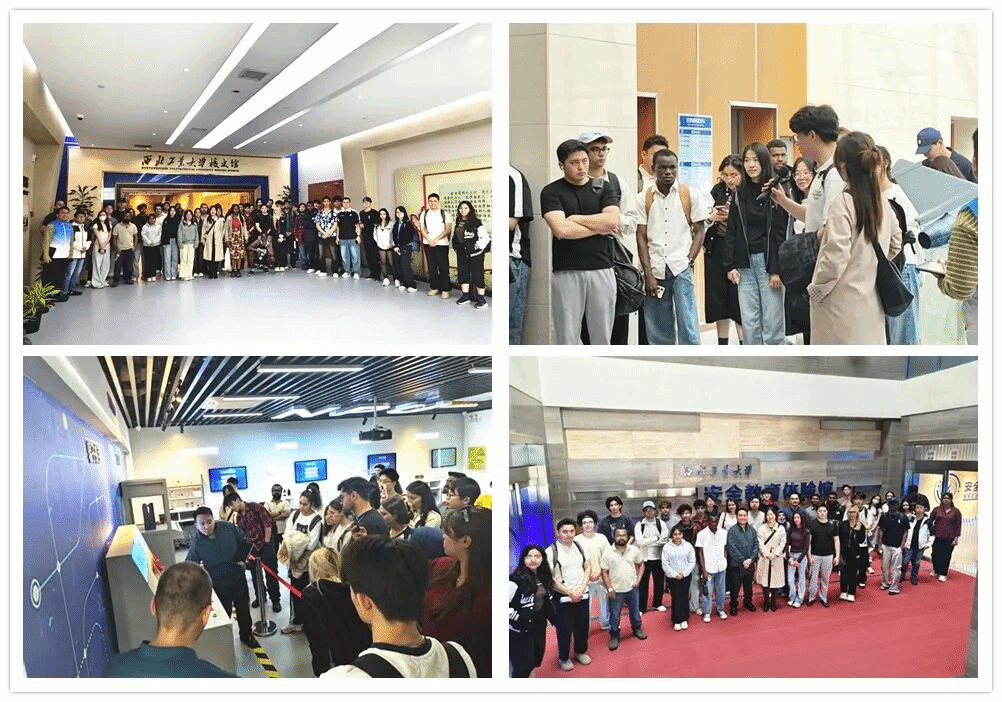
To further promote integration and exchange between Chinese and international students and foster a more internationalized campus environment, the course also featured field-based teaching sessions under the theme of “Chinese and International Students Attending the Same Class”. Chinese and international students from different schools and faculties visited NPU History Museum and the Safety Education Experience Centre together. Guided by instructors on site, students learned about NPU’s history, development and innovation achievements, while also gaining a deeper understanding of campus safety initiatives and the support they provide for university life. Through shared learning and intercultural communication, young people from different countries strengthened friendships and expanded their global perspectives.
Practical Learning Experiences
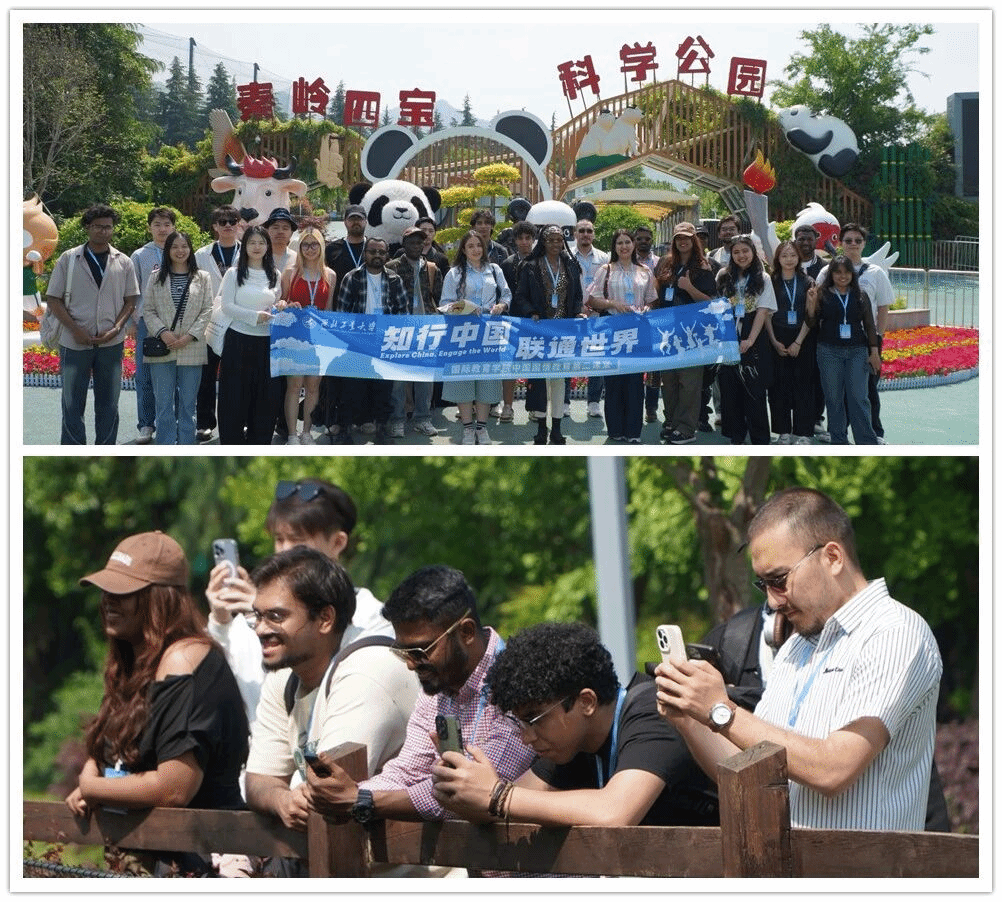
Putting knowledge into practice is essential for sustainable growth and meaningful learning. During the themed field study programme on “Green Qinling and Ecological Conservation”, teachers and students visited the Qinling Four Rare Animals Science Park,where they closely observed the “Qinling Sibao(Four Treasures)” — the giant panda, golden snub-nosed monkey, crested ibis and takin. Participants also gained deeper insights into the Qinling ecosystem, wildlife conservation efforts and China’s philosophy of green development. The activity served not only as a vivid extension of classroom learning on ecological civilisation, but also helped participants further appreciate China’s path towards green and science-driven development.
Since the 2021 academic year, the International College has been developing a series of courses on China studies. In recent years, four specialised courses — “Hello China”, “Cultural China”, “Contemporary China” and “Career in China” — have been offered, presenting a multidimensional and progressive picture of China to international students and providing them with flexible and diverse learning resources. Moving forward, the College will continue to innovate teaching models, integrate high-quality resources from both on and off campus, and establish a solid growth pathway for international students that moves from initial perception to deeper understanding and ultimately to active participation. In doing so, it contributes educational strength to fostering exchange and mutual learning between Chinese and other civilisations.
(Text : Li Jing and Li Dan
Photos: Xu Wenxi and Zhan Haoyun
Video: Mingyue and Nukazi
Initial Reviewer: An Yiwen
Secondary Reviewer: Li Dan
Final Reviewer: Li Ziwei
Source: International College
Translators: Yang Runze; Mei Leyun)
