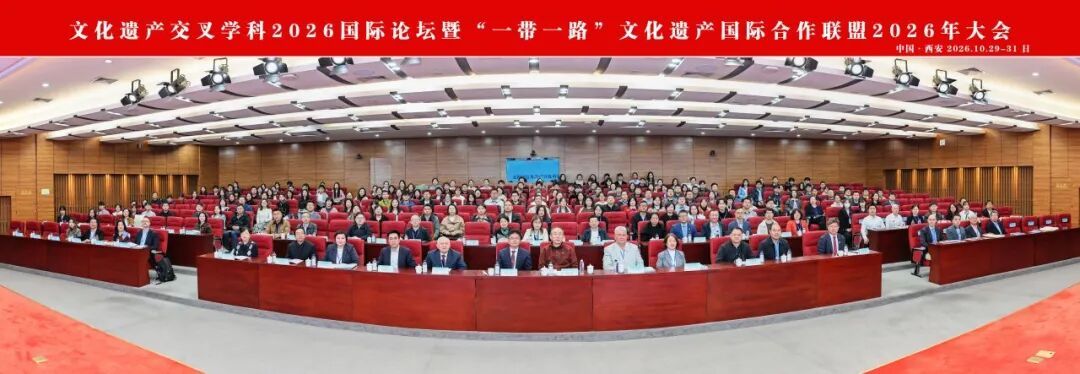
On October 30 and 31, 2026, 2026, the 2026 International Interdisciplinary Forum on Cultural Heritage and the 2026 General Assembly of the Belt and Road Cultural Heritage Global Alliance (BRCHGA) were held at Northwestern Polytechnical University's Youyi Campus. The events were hosted by Northwestern Polytechnical University and co-organized byNPU 's Development and Planning Department, Office of International Cooperation, and Institute of Culture and Heritage; the Belt and Road Cultural Heritage Global Alliance; the Key Laboratory of Archaeological Exploration and Cultural Heritage Conservation Technology (Northwestern Polytechnical University), Ministry of Education; the Belt and Road Cultural Heritage Technology Conservation International Joint Research Center (Shaanxi International Science and Technology Cooperation Base); the Shaanxi Archaeological Museum; the Tang West Market Museum; and the Geotechnical Cultural Relics Conservation Committee of the Shaanxi Society for Rock Mechanics and Engineering. Themed "Digital and Intelligent Technologies for Cultural Heritage Conservation," the conference focused on emerging theories and practices as cultural heritage conservation shifts from rescue-based approaches toward preventive conservation and the use of digital and intelligent technologies.
The conference brought together more than 200 experts and scholars from 98 universities, museums, and cultural heritage conservation institutions.Participants included Prof. Mikołaj Szafran of Warsaw University of Technology, Academician of the World Academy of Ceramics; Prof. Dosbol Baigunakov, Dean of the Faculty of History at Al-Farabi Kazakh National University; Ms. Zhumabekova Gulaim, Director of the A. Kasteyev State Museum of Arts of Kazakhstan; Prof. Sabdenova Gulmira of Al-Farabi Kazakh National University; Prof. Khaled Abulhassan, Dean of the Faculty of Archaeology at Luxor University, Egypt; and scholars representing institutions including Kangwon National University of South Korea, the Afrasiyab History Museum of Samarkand, Uzbekistan, the University of Science and Technology Beijing, Chongqing University, the University of Science and Technology of China, Chang'an University, Shaanxi Normal University, the Dunhuang Academy, the Yungang Research Institute, the Longmen Grottoes Research Institute, the Emperor Qinshihuang's Mausoleum Site Museum, the Shaanxi History Museum, the Shaanxi Archaeological Museum, the Tang West Market Museum. Participants shared the latest research findings and industry trends.
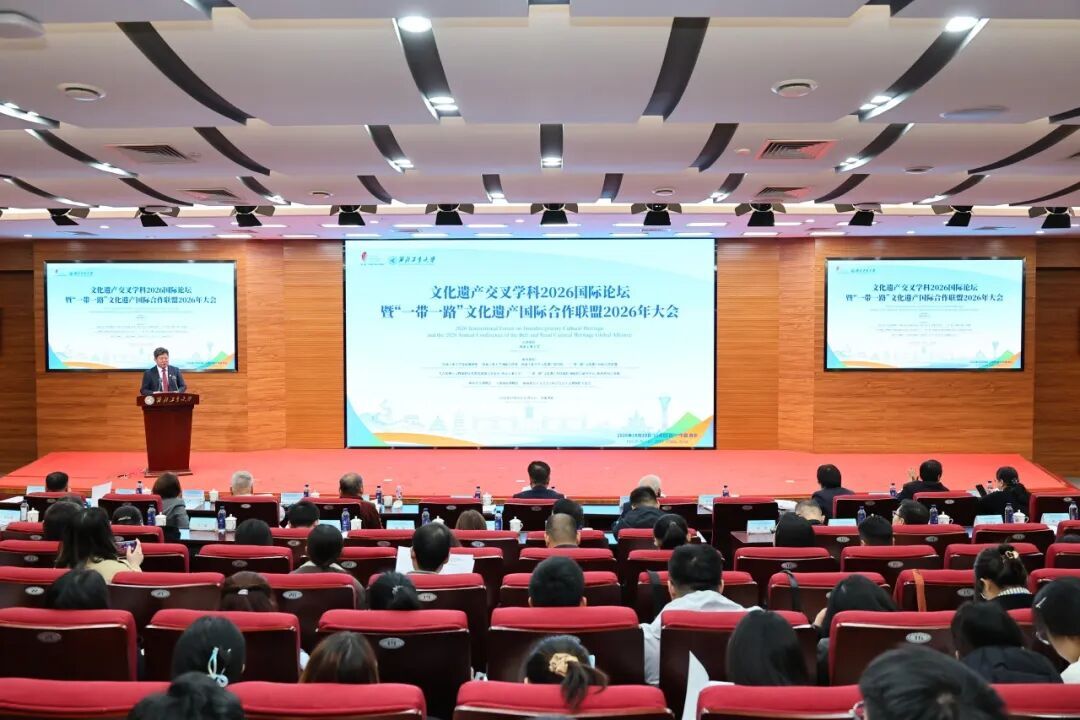
Yang Xiao, Vice Chairman of Board of Trustees at NPU, attended the opening ceremony and delivered a welcome address. Mikołaj Szafran, Permanent Council Member of the Alliance; Wang Runlu, Deputy Director-General of the Shaanxi Provincial Cultural Heritage Administration; Chong Jianrong, Permanent Executive Council Member of the Alliance, President of the Shaanxi Academy of Archaeology, and Director of the Shaanxi Archaeological Museum; and Tie Fude, Vice Chairman of the China Association for Conservation Technology of Cultural Heritage, delivered speeches. Li Yun, Director of the Division of Basic Research and Humanities and Social Sciences of NPU's Office of Scientific Research and Development; Wei Tao, Deputy Director of Development and Planning Department and Deputy Director of the Office of Curriculum Development Office; and Li Ziwei, Deputy Director of the Office of International Cooperation and the International College, attended the opening ceremony. The opening ceremony was chaired by Dong Wenqiang, Director of the Key Laboratory of Archaeological Exploration and Cultural Heritage Conservation Technology, Ministry of Education, and Permanent Council Member and Secretary-General of the Alliance.
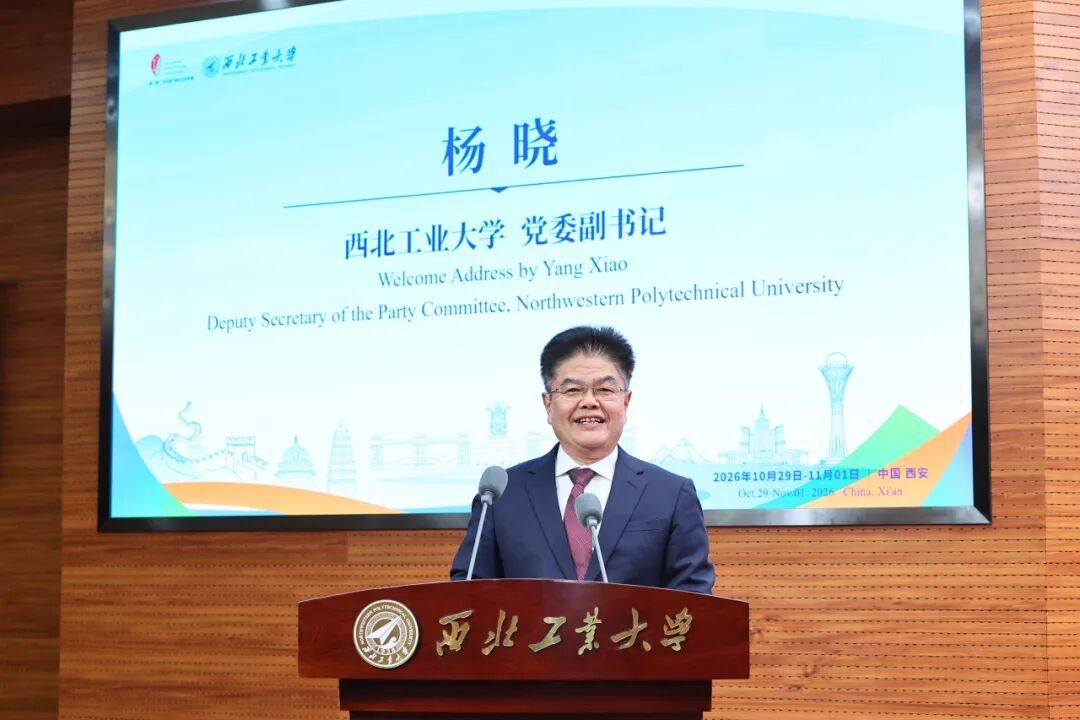
At the opening ceremony, Yang Xiao extended a warm welcome on behalf of NPU to the leaders, guests, and experts and scholars who had traveled from afar, and expressed sincere gratitude to those who had long supported the development of NPU and the Alliance. He elaborated on the contemporary significance of empowering cultural heritage conservation with digital and intelligent technologies, and introduced NPU's achievements in building interdisciplinary programs integrating science and engineering with cultural heritage conservation, as well as the progress of the Belt and Road Cultural Heritage Global Alliance. He stated that NPU would, in its role as the rotating chair of the Alliance, work with member institutions to address the key priorities of the 15th Five-Year Plan, expand cooperation on research platforms, projects, and talent development, and jointly promote international exchanges and collaborative innovation in cultural heritage conservation.
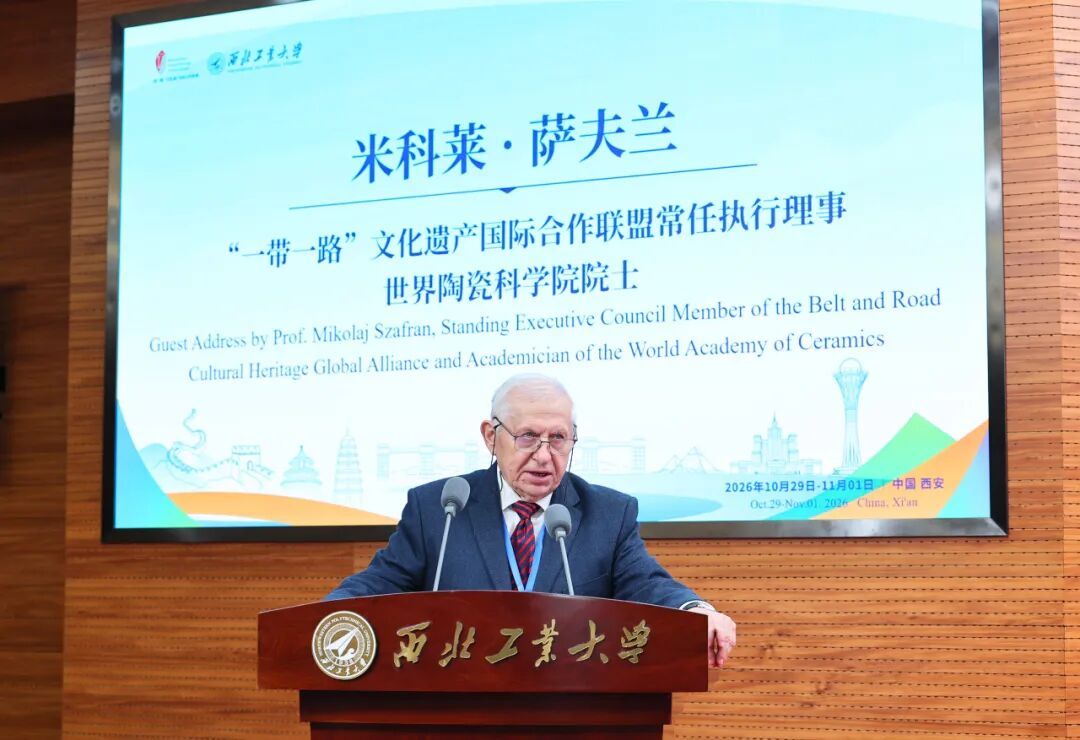
Mikołaj Szafran began with the history of the westward transmission of porcelain along the Silk Road. He observed that cultural heritage has always been a living form of exchange, and that digital and intelligent technologies offer new scientific toolsfor cultural relic conservation. He expressed hope that Alliance members would further strengthen cooperation in joint materials research and the development of young talent.
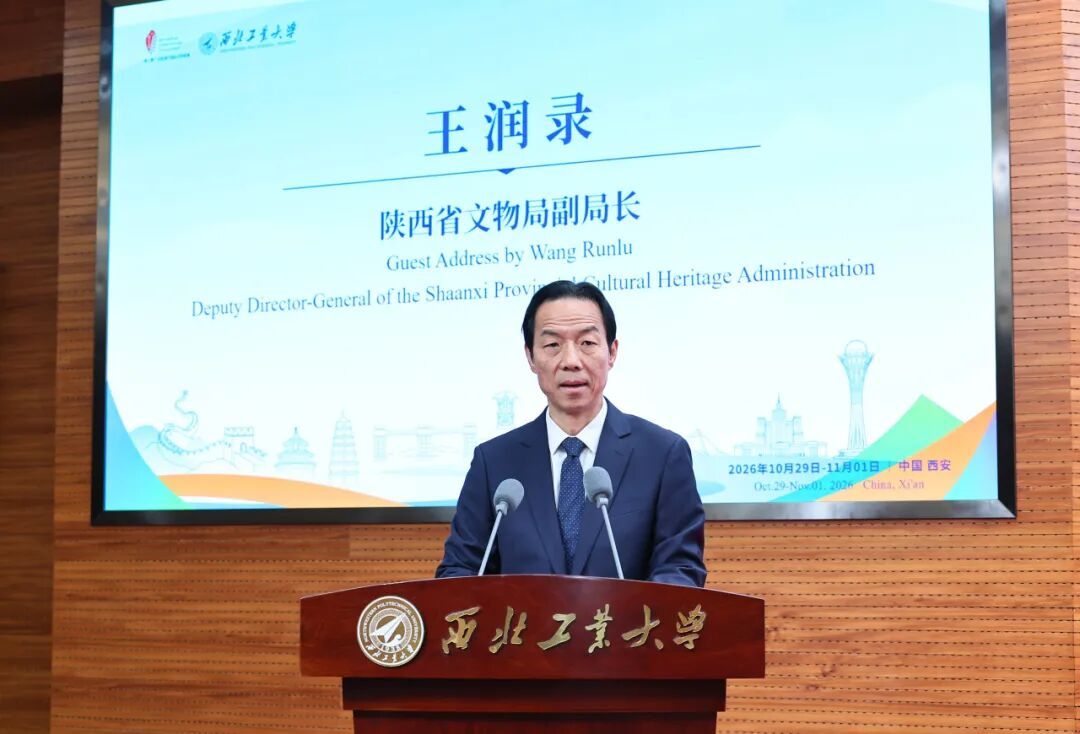
Wang Runlu reviewed Shaanxi's achievements in joint archaeologicalprojects and overseas cultural relic conservation assistance. He expressed the hope that participating experts and scholars would focus on key challenges in heritage conservation and promote a shift from traditional experience-based approaches toward scientifically validated conservation practices. He also called on the Alliance to make fuller use of its international cooperation platform by strengthening joint archaeological research, talent development, and technology sharing. He emphasized the importance of translating advanced technologies into practical conservation results and developing Shaanxi into a center for innovation in cultural heritage conservation technology. The Shaanxi Provincial Cultural Heritage Administration would continue to support scientific and technological innovation and international exchange in cultural heritage conservation while deepening joint initiatives with universities.
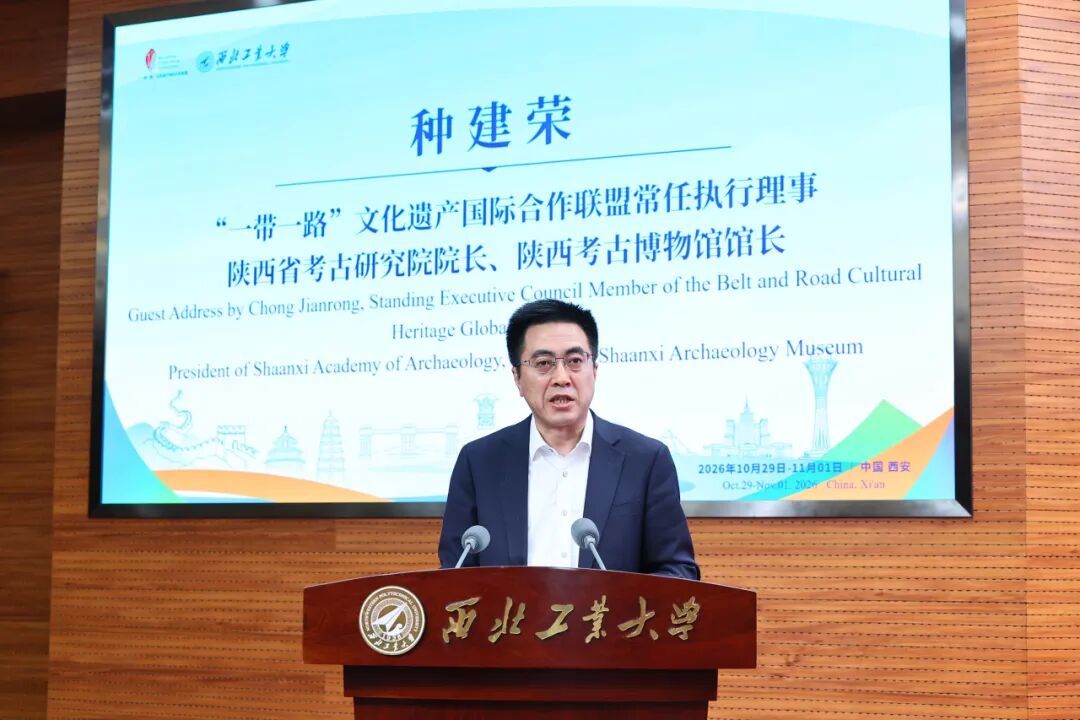
Chong Jianrong, drawing on Shaanxi's archaeological practice, noted that traditional archaeology is moving toward a new era of digitally empowered holographic archaeology. He called for the use of digital and intelligent technologies to preserve information from archaeological sites and establish a new paradigm of holographic archaeology. He also emphasized multidisciplinary collaboration to address emerging challenges in heritage conservation and deeper cross-border archaeological cooperation through the Alliance, opening a new chapter in exchanges among Silk Road civilizations.
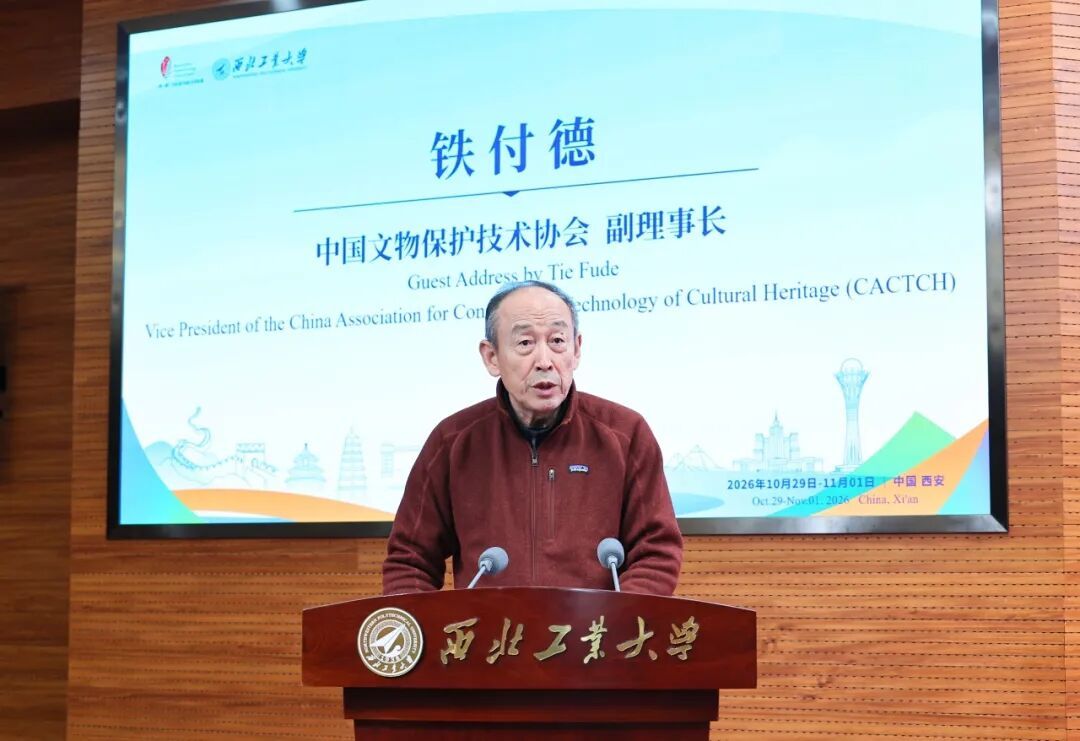
Tie Fude stated that scientific and technological innovation is injecting new momentum into cultural heritage conservation, and that artificial intelligence offers an opportunity for a paradigm shift in this ancient discipline. Hecalled for stronger mechanisms for interdisciplinary dialogue, greater coordination and mutual recognition of technical standards, and enhanced training of professionals with interdisciplinary expertise.
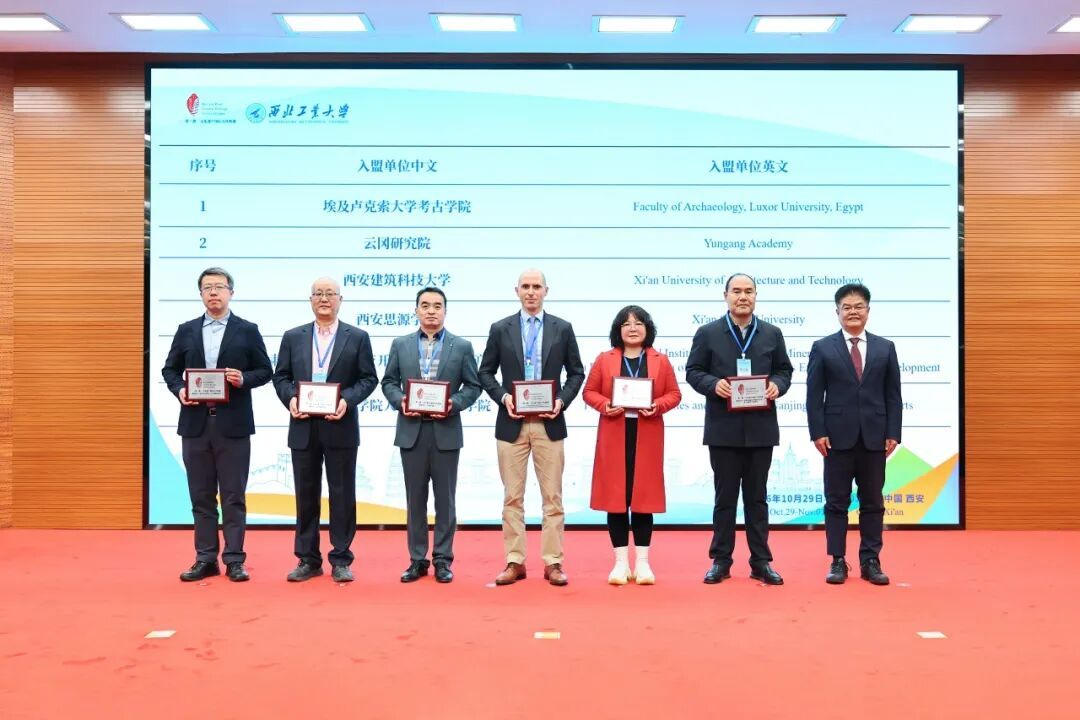
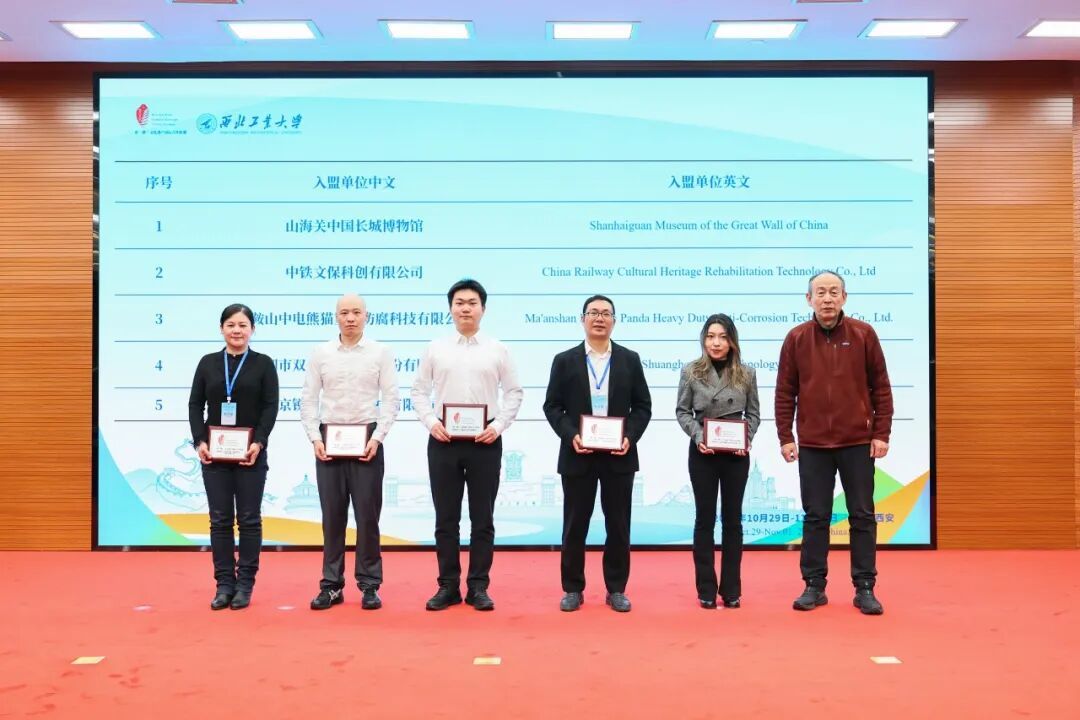
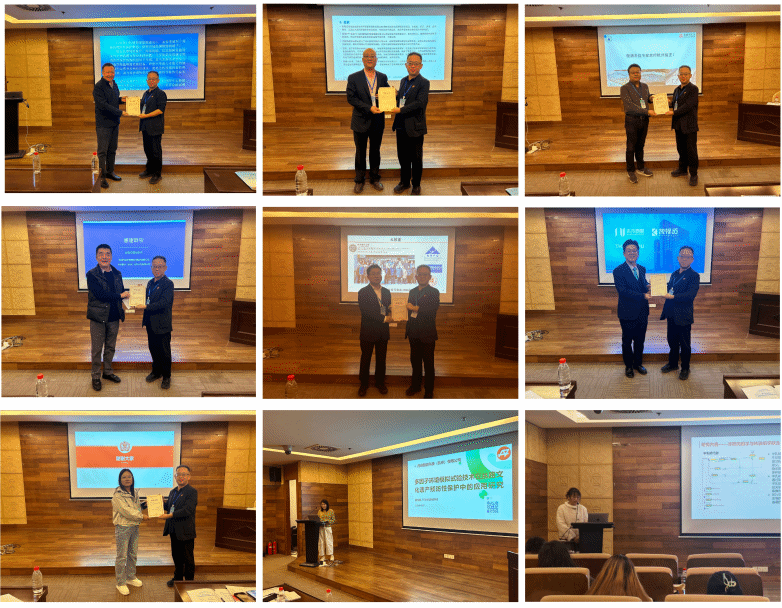
A plaque presentation and a book donation ceremony were held at the opening ceremony. Yang Xiao and Tie Fude presented plaques to 11 newly admitted institutions joining the Alliance as council member institutions and non-permanent executive council member institutions.
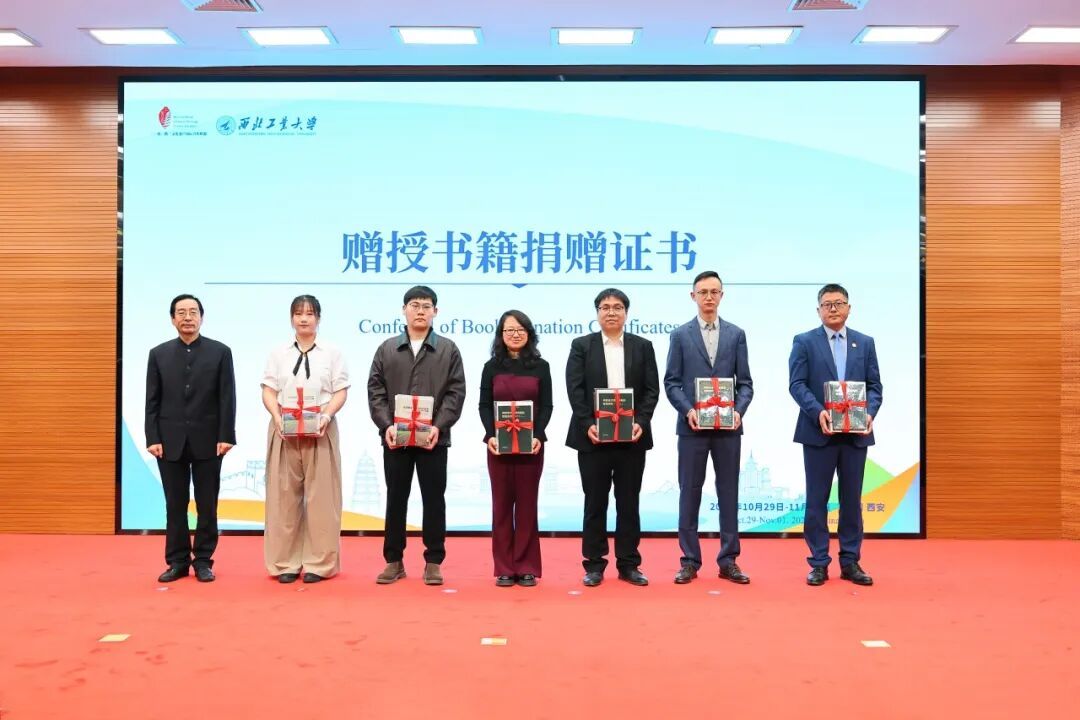
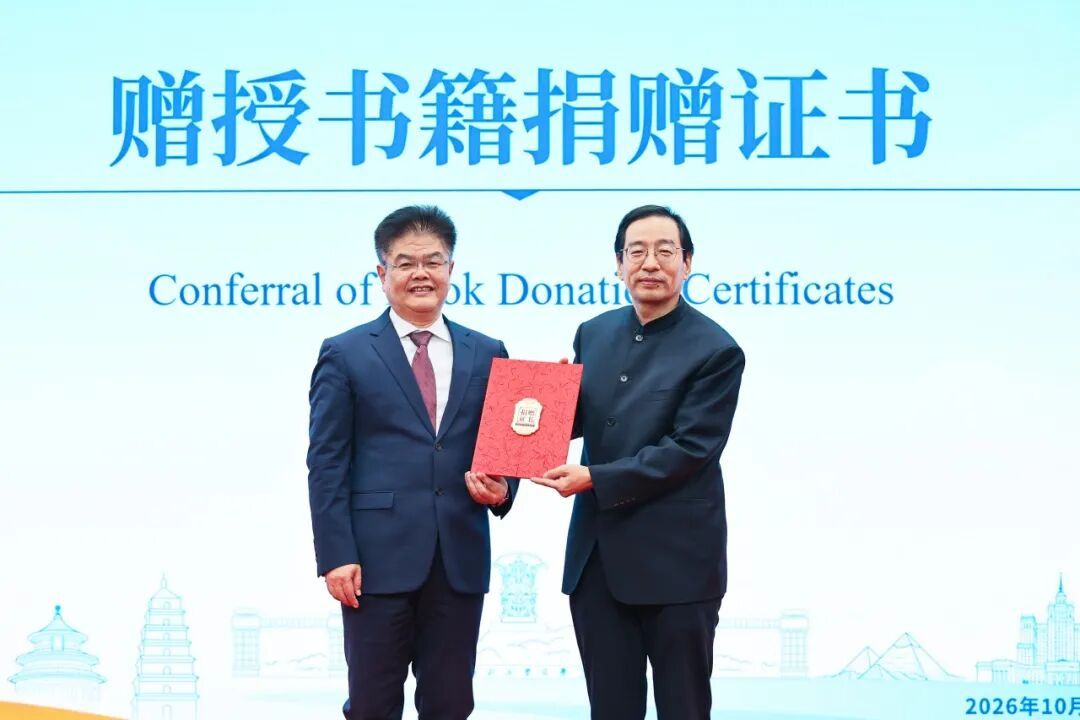
Han Jianwu, President of the Shaanxi Provincial Institute for the Conservation of Cultural Heritage, donated research publications to the conference, and Yang Xiao presented him with a certificate acknowledging his book donation.
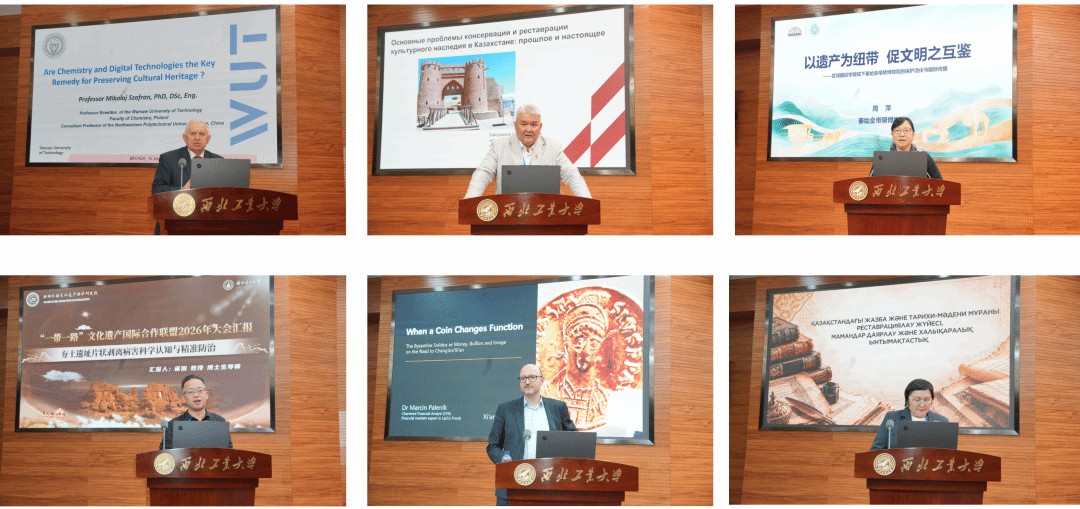
The plenary session was chaired by Tie Fude and Fang Beisong, Director of the Jingzhou Cultural Relics Conservation Center. Prof. Mikołaj Szafran, Prof. Dosbol Baigunakov, Zhou Ping,Senior Librarian at the Emperor Qinshihuang's Mausoleum Site Museum, Prof. Khaled Abulhassan (via video link), Prof. Cui Kai of Lanzhou University of Technology, Prof. Sabdenova Gulmira, and Dr. Marcin Palenik delivered presentations on topics including the application of chemistry and digital technologies;experiences in heritage conservation and restoration in countries along the Silk Road; the conservation, revitalization, and international communication of world cultural heritage; scientific understanding and prevention of deterioration at earthen sites; restoration of cultural relics and archival materials; and research on ancient coins. The presentations prompted lively discussions among participants.
In the afternoon, the conference continued at the Tang West Market Museum in Xi'an, where three parallel sessions focused on the conservation of earthen and stone cultural relics, materials analysis and preventive conservation, and digital and intelligent technologies and theories in cultural heritage conservation. The museum's setting at a site with a history spanning more than a thousand years provided a distinctive backdrop for discussions linking historical heritage with contemporary conservation challenges.
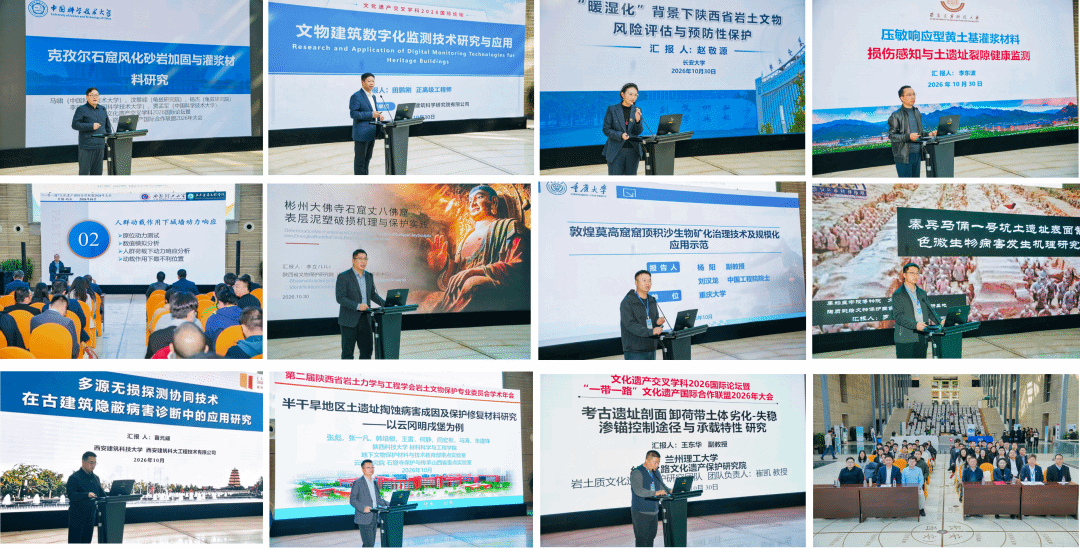
The first parallel session was chaired by Dong Wenqiang, Director of the Key Laboratory of Archaeological Exploration and Cultural Heritage Conservation Technology, Ministry of Education, Northwestern Polytechnical University. Participating scholars discussed the deterioration mechanisms, conservation materials, and monitoring technologiesearthen and stone cultural relics, including archaeologicalearthen sites and cave temples. Presentations covered sandstone consolidation and grouting materials at the Kizil Grottoes, monitoring cracks at earthen archaeological sites, and measures to control sand accumulation on the roof of the Mogao Grottoes in Dunhuang.
The second parallel session was chaired by Cui Kai, Vice President of the Research Institute for Silk Road Cultural Heritage Conservation at Lanzhou University of Technology. Experts and scholars focused on preventive conservation approaches and advances in materials science for cultural relics, with particular attention to the preventive conservation of museum collections and the mechanisms of material deterioration. Topics included theoretical approaches to preventive conservation of museum collections, infrared thermal-wave imaging of ancient murals, the prevention and treatment of cracks in rock art in arid regions of Northwest China, and the deterioration mechanisms and conservation of glue-and-alum-treated paper used in painting and calligraphy.
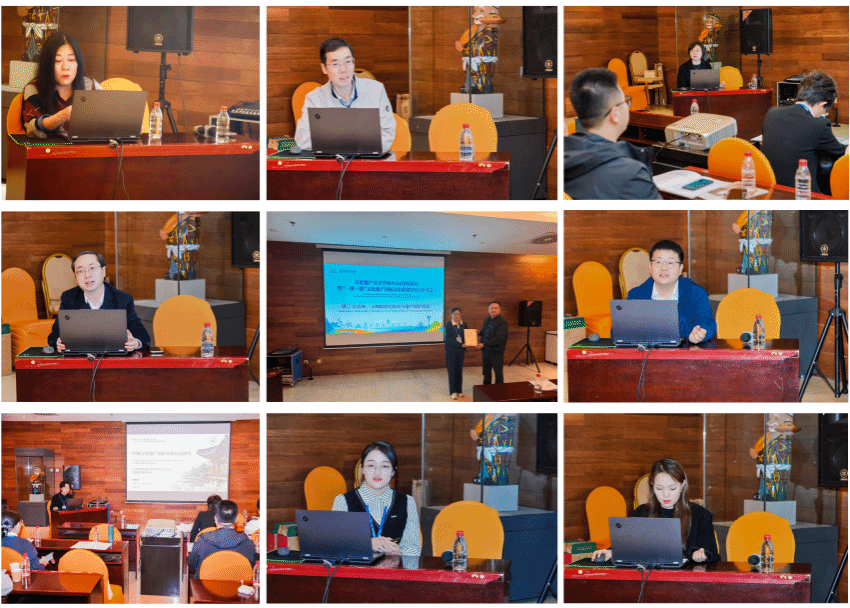
The third parallel session was chaired by Lu Zhiyong, Deputy Director of the Shaanxi History Museum. The session focused on the digital and intelligent transformation of cultural relics and heritage conservation theory, covering digital and intelligent applications in the conservation of paintings and calligraphy, the use of AIGC to communicate the value of cultural heritage, and AI-based detection technologies for cultural heritage. Participating experts and scholars discussed interdisciplinary research and emerging applications in depth.
During the conference, the Third Executive Council Meeting of the Second Council of the Belt and Road Cultural Heritage Global Alliance was held on the morning of October 30. Participants discussed several agenda items, including the admission of new permanent council member institutions and non-permanent executive council member institutions.
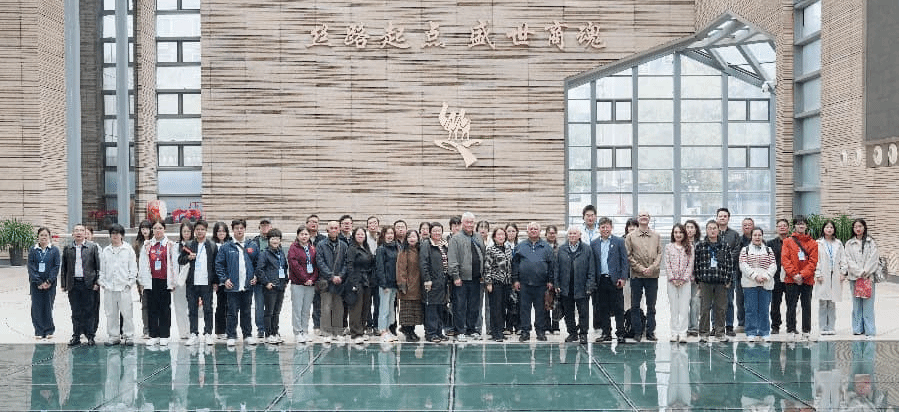
On October 31, participating experts and scholars conducted field visits to gain a better understanding of how cultural relic conservation technologies are applied in practice.
Cultural exchange makes civilizations more diverse, while mutual learning enriches them. The conference further strengthened connections between digital and intelligent technologies and cultural relic conservation, while helping consolidate international cooperation within the Alliance. Looking ahead, the Alliance will continue to advance cultural heritage conservation and exchanges among civilizations, support the international promotion of China's traditional cultural heritage, and contribute to NPU's international reputation and influence. It will also strengthen interdisciplinary research, education, and international cooperation in cultural heritage, supporting NPU's efforts to become a world-class institution with Chinese characteristics.
(Edited by Wang Meng; First Review: Sun Xuanlu; Second Review: Shi Jiangang; Final Review: Cheng Wei; Translators: Lu Ruijin, Yang Runze)
