Recently, the National Finals of the China University Aircraft Design Competition (CUADC) and the China Aeromodelling Design Challenge (CADC) were held successively in Zigong, Sichuan, and Hefei, Anhui respectively. More than a thousand teachers and students from over a hundred universities across the country competed on the same stage for top honors. NPU’s Aeronautical Science and Technology Innovation Base (known as the “Aeromodelling Team”) and the Future Spacecraft Design and Fabrication Innovation Practice Base (known as the “Xingchen Rocket Team”) competed in both events, securing multiple national awards at these major ae aerospace science and technology innovation competitions.
Aeromodelling Team: Breakthroughs Across Multiple Events
Throughout the competitions, NPU’s Aeromodelling Team maintained its advantages in traditional events and achieved breakthroughs in multiple projects.
In the “Timed Cargo Airdrop” event, team members further reduced the aircraft’s weight without compromising its payload capacity, repeatedly refined its avionics software and propulsion system, and ultimately secured both first and second places in the single-aircraft category. The team also won, winning four first prizes and two second prizes.
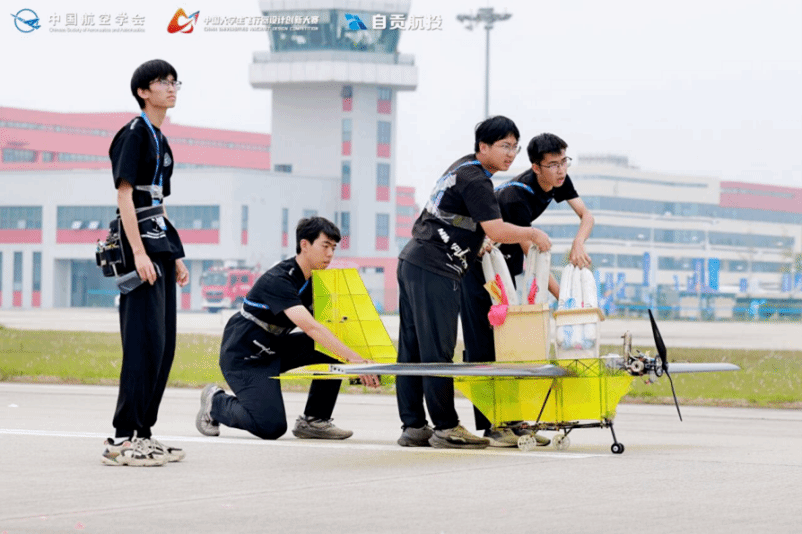
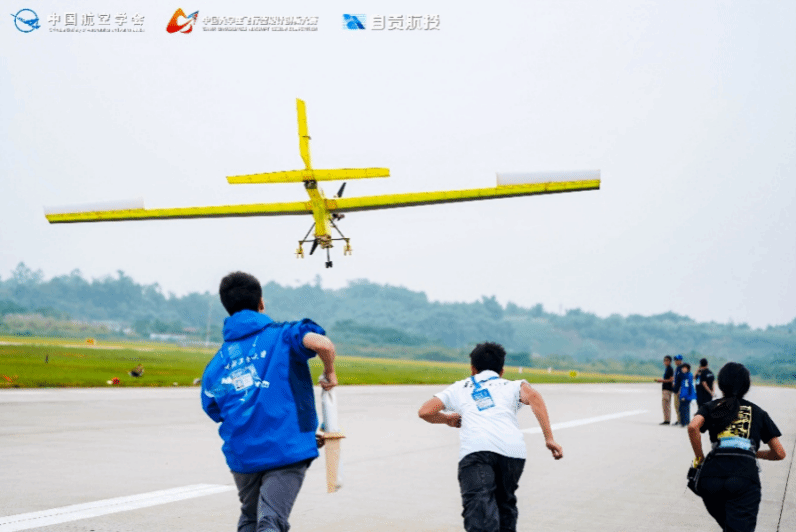
In the “Solar-Powered Aircraft” event, the aircraft climbed to an altitude of 570 meters within 3 minutes and returned safely thanks to its flight-path planning, winning two first prizes and two second prizes.
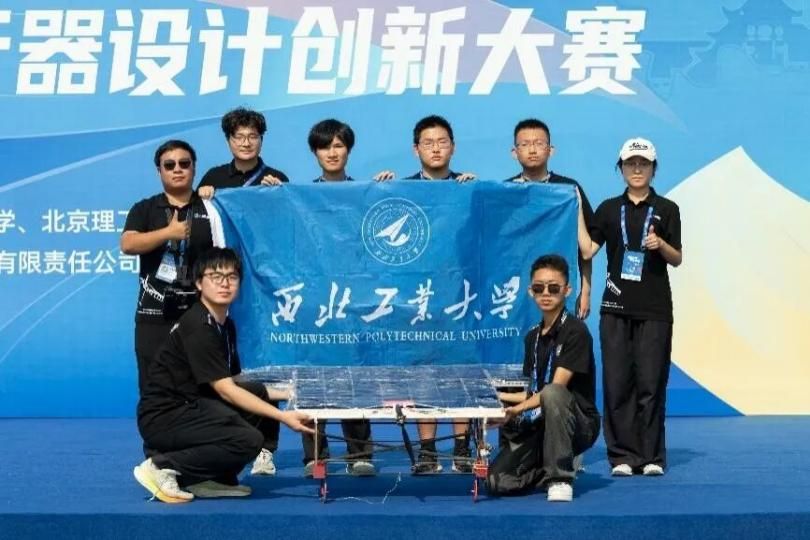
The “Fixed-Wing UAV Reconnaissance and Strike” event was the one most closely aligned with real combat requirements across the two competitions, requiring the UAV to fly autonomously, identify and engage targets autonomously, and land without manual intervenntion . Team members adapted on the spot, flexibly modified mission code and adjusted flight routes, and ultimately won two first prizes and four second prizes in this event.
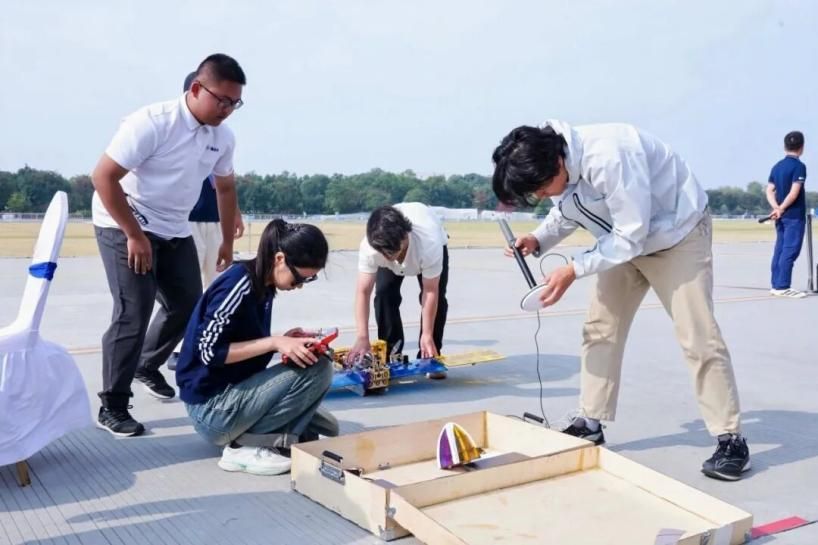
The “Limited-Distance Heavy-Load Airdrop” event placed particularly high demands on construction quality and structural weight reduction. Years of technical iteration by the team enabled this aircraft, weighing less than one kilogram, to carry a 10-kilogram water bag and complete a precise airdrop. The team secured both first and second places in the single-aircraft category, along with three first prizes.
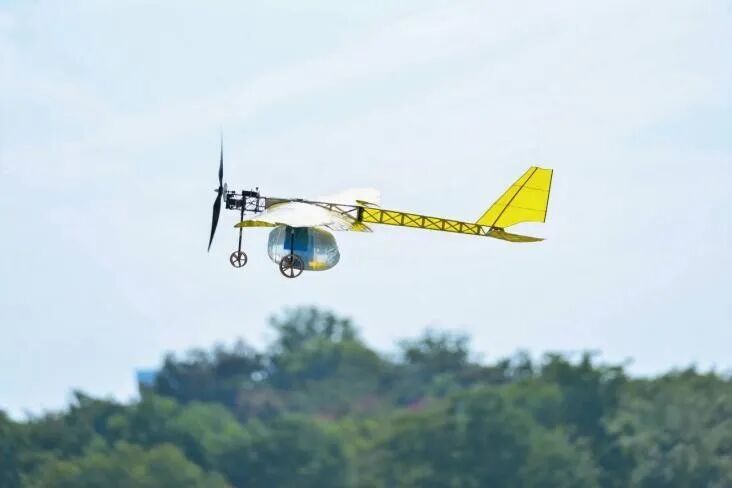
In the “Time-Limited Cargo Flight” event, team members designed an entirely new aerodynamic configuration and, with steady flying by the pilots and meticulous support from the ground crew, earned one second prize and two third prizes.
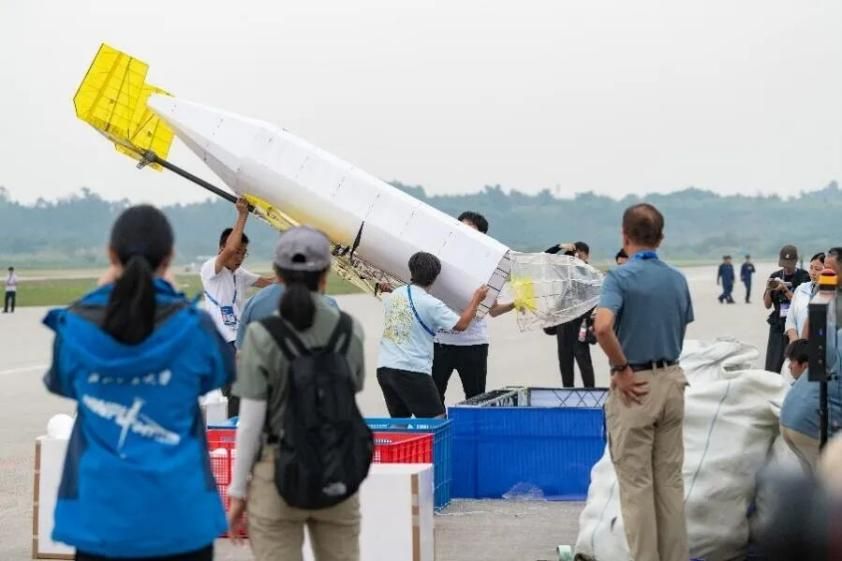
In the “UAV Short Takeoff and Landing” event, which NPU participated in for the first time this year, NPU formed a joint team with the Engineering University of the Joint Logistics Support Force, PLA. After months of technical iteration, they successfully made a 3 kg UAV take off from a 1.2-m table, winning one second prize and two third prizes in the Western Regional Qualifier.
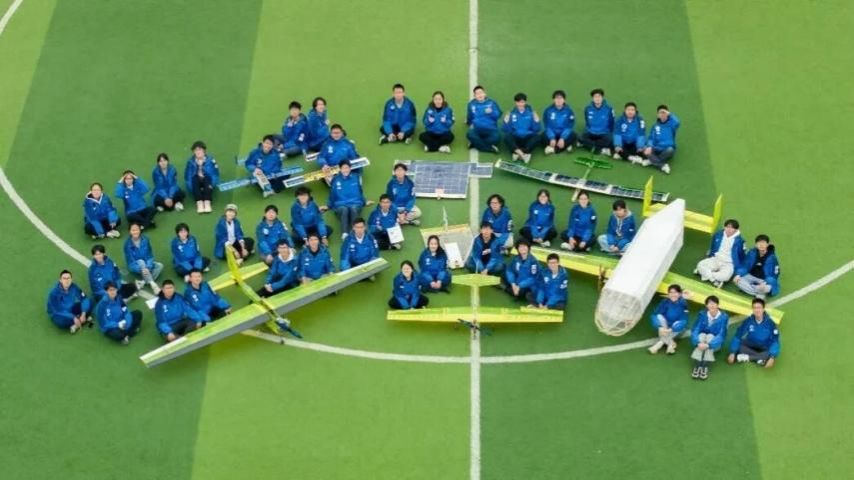
The Aeromodelling Team originated from the aeromodelling team of the East China Aeronautical Institute founded in 1956. In 2003, NPU established the Aeronautical Science and Technology Innovation Base on the basis of the aeromodelling team, which was the first innovation base in China themed on aeronautical science and technology practice education. At present, team members come from 10 schools, including the School of Aeronautics, the School of Astronautics, and the School of Energy and Power Engineering. The team has established a structured selection and training system and a tiered development pathway spanning undergraduate to doctoral study. It has opened courses such as Innovative Design of Aircraft Configuration and Structure and New Concept Aircraft Design. Over the past six years, it has won more than a hundred national-level awards.
Xingchen Rocket Team: Four Consecutive National Titles and Progress Across Multiple Events
The Xingchen Rocket Team also achieved strong results in the competition.
In the “Model Water Rocket-Assisted Spacecraft” event, the Xingchen Rocket team team spent a decade refining rocket body materials and manufacturing processes. It developed reliable avionics, separation and recovery systems suited to the challenging conditions of national competitions, securing the overall national championship for the fourth consecutive year.
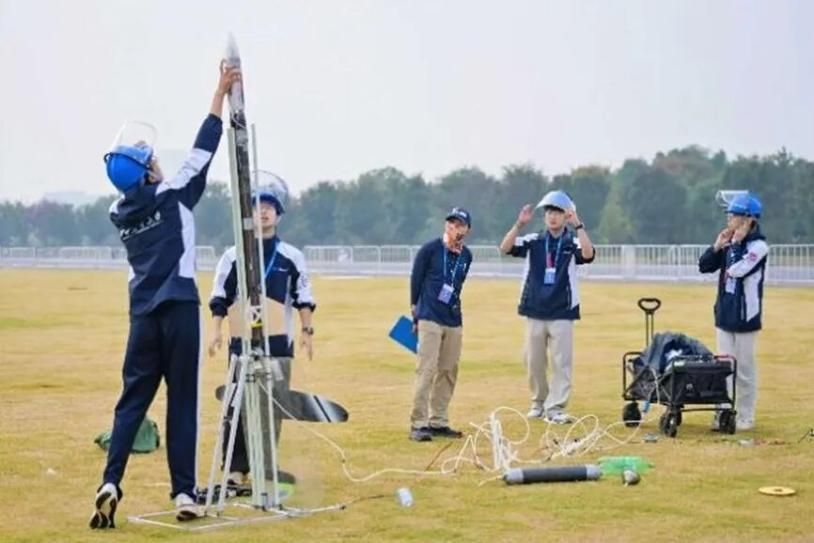
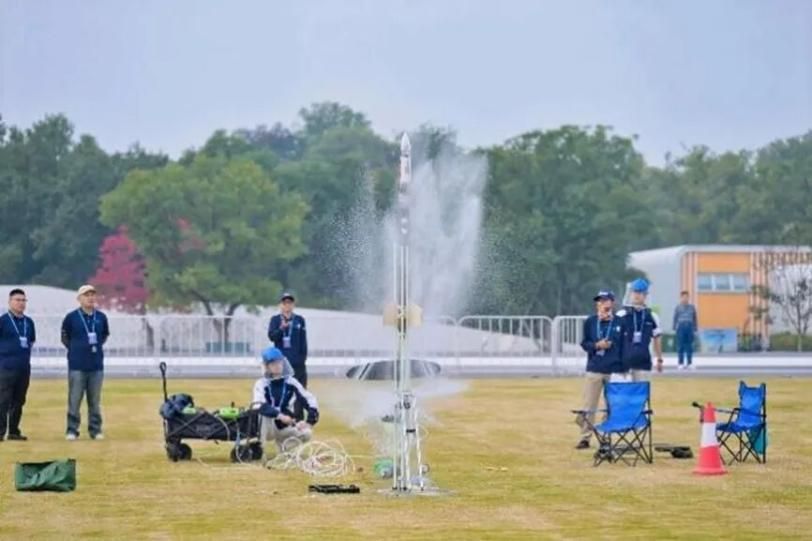
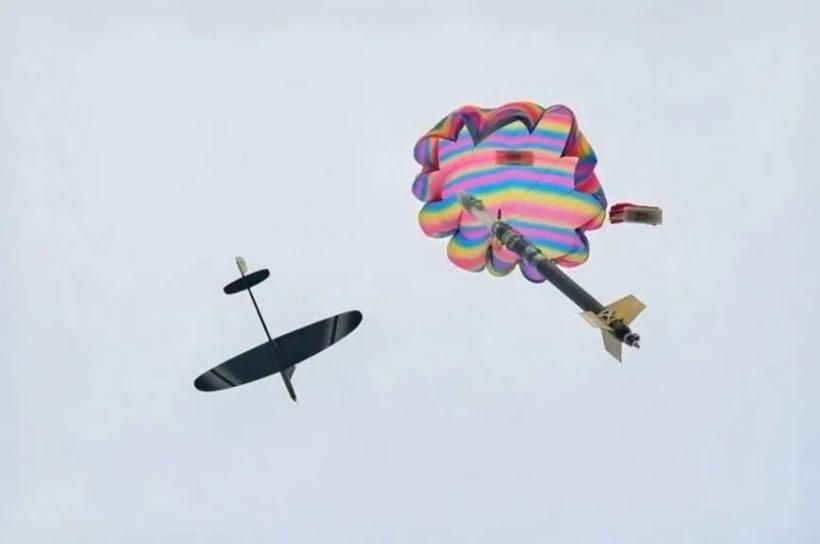
In the “Multi-Stage Model Rocket Launch and Payload Recovery” event, the team addressed technical challenges including significant disturbances during in-flight stage separation and insufficient payload recovery accuracy. It designed a reliable interstage separation mechanism and, using self-developed onboard avionics, built a parachute recovery system with multiple redundancies. These measures helped ensure reliable in-flight ignition of the second stage and the safe, independent recovery of both rocket stages. The team finished second nationwide in the overall standings.
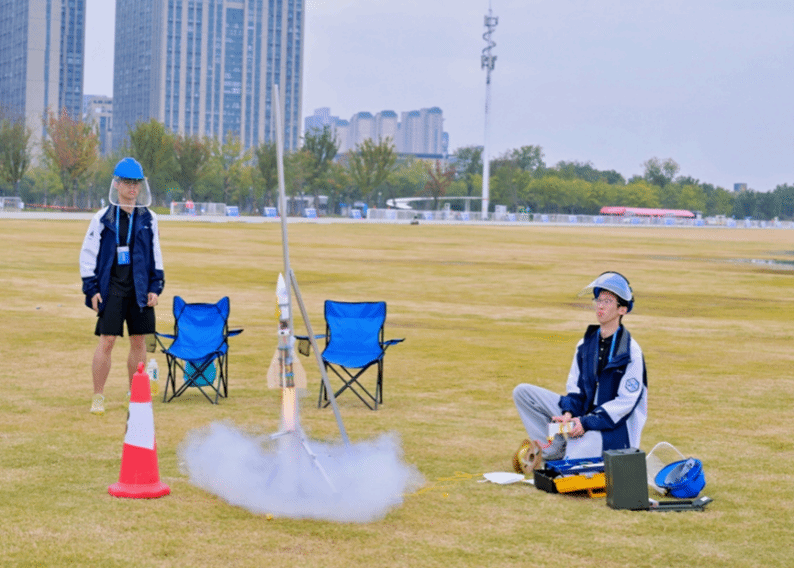
The “Space Rocket Launch and Return” event required the independent development of a model rocket carrying a solid motor, with a foldable controllable glider stored inside the rocket body, achieving aerial cabin opening and release through precise altitude control, and separately completing rocket body parachute recovery and glider pinpoint landing tasks. Team members continuously optimized the glider design layout and carried out extensive testing work. In the end, they won one national second prize and one third prize.
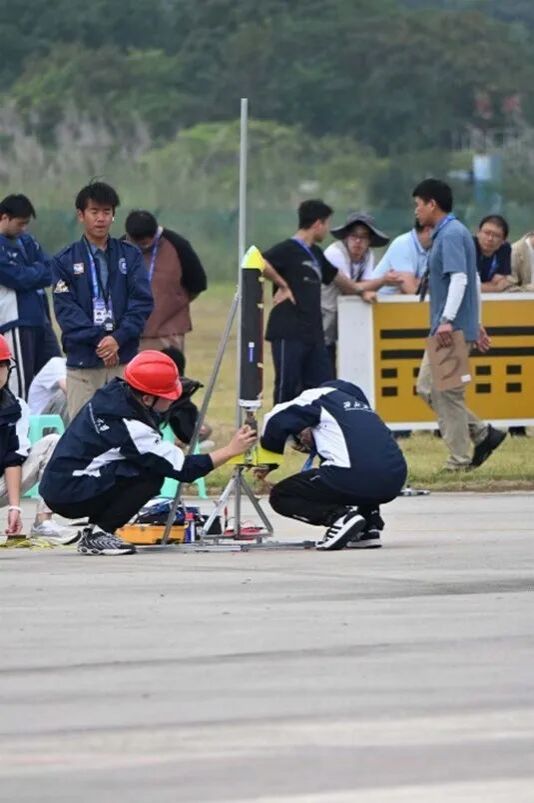
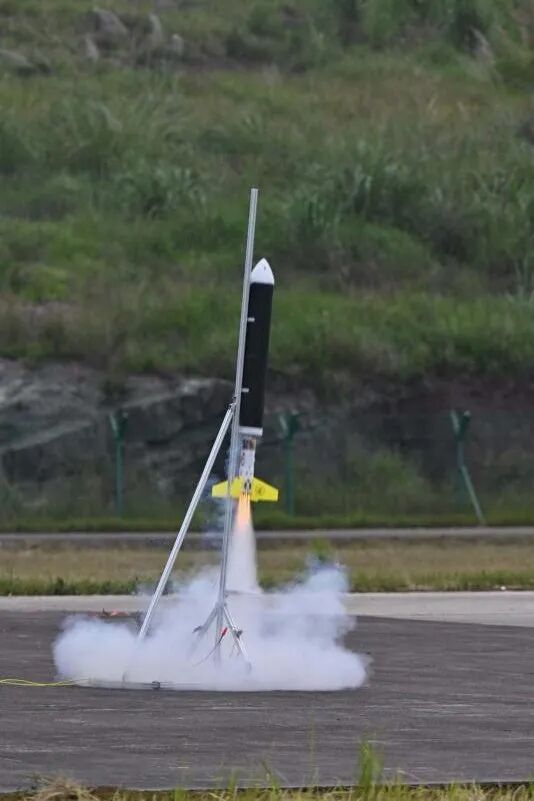
The Xingchen Rocket Team was founded in 2015 and currently consists of more than 60 undergraduate and graduate students from various schools across NPU. For more than a decade, the team has been committed to cultivating college students’ engineering literacy through scientific and technological practice, focusing on the training of outstanding aerospace engineers, and has built a complete innovation practice training system with NPU’s support, offering specialty courses on small rockets. It has successively won first and second prizes for university-level teaching achievements and a total of 17 first prizes in national-level competitions.
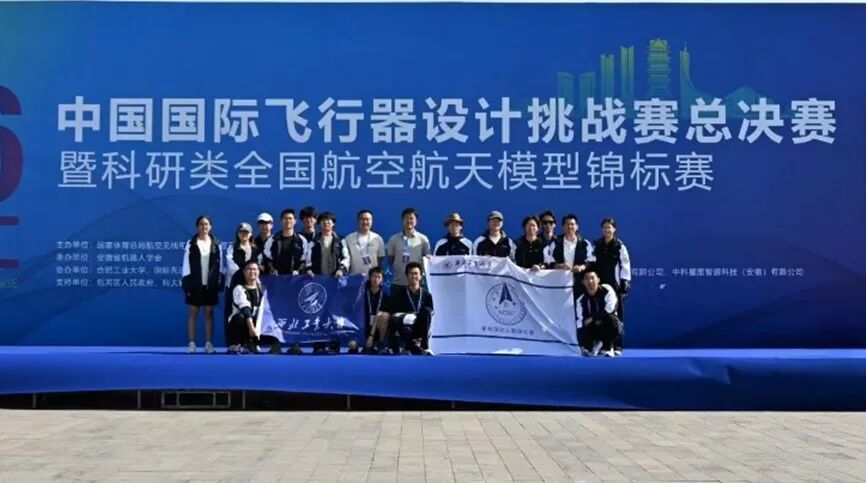
In the future, NPU will continue to adhere to the principle of “promoting learning, teaching, and innovation through competition,” using high-level academic competitions to strengthen its innovation practice bases, foster an environment that encourages innovation, and help students develop their abilities and hone their skills through practical competition experience. Through these efforts, NPU aims to further improve the quality of its education and training for outstanding innovative talent.
Production: Media Office of the NPU Committee of the CPC
Sources: School of Aeronautics, School of Astronautics, Teaching Affairs Department, CUADC 2026 Organizing Committee, CADC 2026 Organizing Committee
Text: Liu Mingkun, Zeng Changhao, Dong Yirong, Xue Yang
Photos: Liu Mingkun, Ge Peilin, Dong Yirong
Editor:Yuan Yang
Copy Editor: Zhao Zhen
Reviewers: Han Dong, Zhao Chao, Zhang Xueliang, Fu Yi
Translators: Meng Qingnan, Yang Runze
